The 14th World Congress on Anaerobic Digestion
Bringing together researchers, scientists, and professionals to advance knowledge in anaerobic digestion, biogas, resource recovery, and environmental biotechnology.
Explore the ProgramHosted in Viña del Mar, Chile
Scientific Program
Nine major topic areas spanning effluent reuse, biogas upgrading, microbiology, modelling, and low-tech solutions for development.
Specialized Courses
Pre-congress courses on pre-treatment, instrumentation and automation, microbial ecology, and climate-change reuse strategies.
Viña del Mar Venue
One hour from Chile's principal airport and ninety minutes from Santiago, with high-quality conference facilities and varied accommodation.
Paper Submission
Guidelines for authors covering formatting requirements, the review process, and presentation instructions for oral and poster sessions.
Why AD14
A landmark gathering for the global anaerobic-digestion community.
Cutting-Edge Research
Presentations on microbiology, novel process configurations, and resource recovery.
Global Network
Connect with leading researchers and practitioners from around the world.
Hands-On Courses
Deep-dive workshops on instrumentation, modelling, control, and automation.
Sustainability Focus
Topics covering life-cycle assessment, environmental management, and climate change.
Congress Highlights
Key components that shaped the AD14 experience.

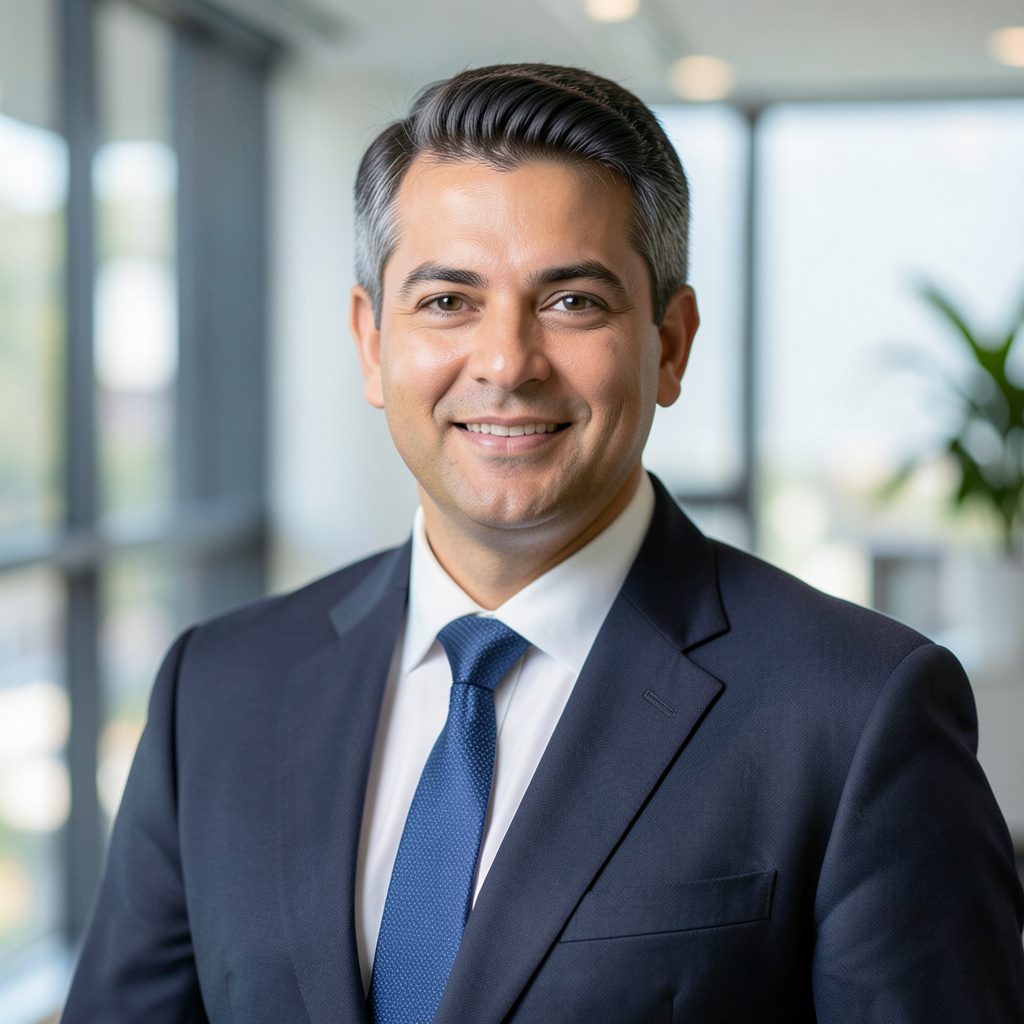
Plenaries & Keynotes
Invited talks from distinguished researchers covering the frontiers of anaerobic digestion science and engineering.
Workshops & Courses
Interactive sessions on pre-treatment, low-temperature microbial ecology, and instrumentation for AD processes.
Technical Visits
Optional, cost-free visits to operational anaerobic-digestion facilities in the region.
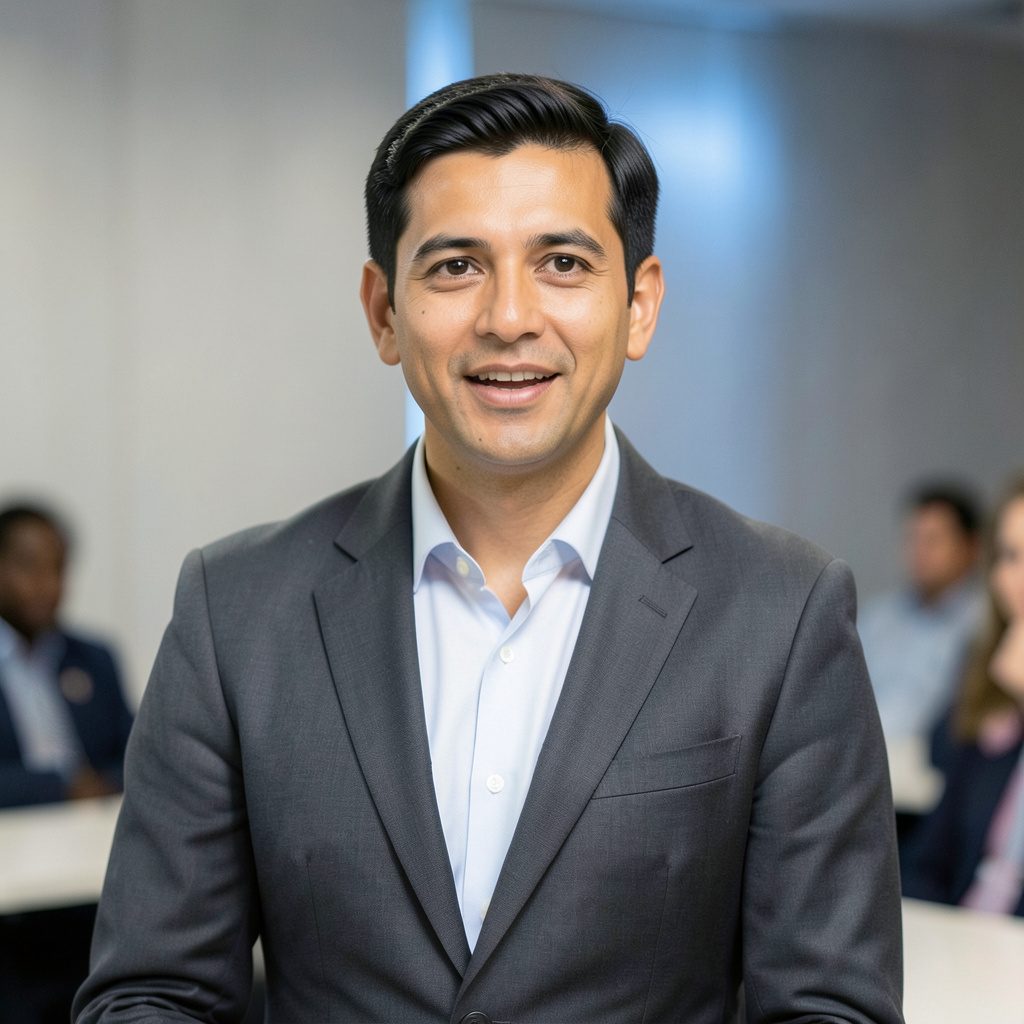
Social Events
Networking receptions and an accompanying-persons program in the coastal setting of Viña del Mar.
How the Congress Was Organized
A structured approach to delivering a world-class scientific event.
Call for Papers
Authors submitted abstracts and full papers following the published guidelines and deadlines.
Peer Review
The Scientific Committee conducted a rigorous review process for all submissions.
Program Assembly
Accepted contributions were organized into plenaries, keynotes, workshops, and poster sessions.
Congress in Viña del Mar
The event brought the global AD community together on Chile's Pacific coast.
Scientific Scope
The conference covered a wide range of topics related to the application of anaerobic digestion:
- Reuse of effluent and digestate
- Biogas upgrading and management
- Microbiology of anaerobic digestion
- Resource recovery and novel process configurations
- Modelling, instrumentation, and control
- Environmental management and life-cycle assessment
- Pre- and post-treatments
- Low-tech solutions for development
The scientific scope of the conference embraces the full spectrum of anaerobic digestion research and application. From fundamental microbial ecology to large-scale process engineering, the program is designed to connect laboratory insights with real-world implementation. Special attention is given to emerging challenges such as climate change adaptation and the role of biogas in a decarbonized energy landscape, ensuring that both established and novel perspectives are represented throughout the technical sessions.
Advances in modelling, instrumentation, and control have transformed how anaerobic digestion systems are monitored and optimized. Modern sensor technologies, combined with sophisticated automation frameworks, allow operators to respond to process fluctuations in real time. The conference highlights how these tools improve stability, maximize biogas yield, and reduce operational risk. Presentations in this track bridge the gap between computational research and practical plant management, offering attendees a clear view of what is achievable with current technology.
Resource recovery and the circular economy are central themes woven throughout the congress agenda. Beyond energy generation, anaerobic digestion offers pathways for nutrient capture, water reuse, and the production of valuable bioproducts from waste streams. Discussions explore novel process configurations that integrate pre-treatment, digestion, and post-treatment steps into cohesive systems. The goal is to move beyond waste treatment toward true resource valorization, aligning technical innovation with environmental and economic sustainability goals.
Microbial ecology remains a cornerstone of anaerobic digestion science, underpinning every aspect of process performance. Understanding the complex communities of bacteria and archaea that drive methanogenesis allows researchers to design more resilient and efficient systems. The conference features dedicated sessions on molecular techniques, community dynamics under varying operational conditions, and the influence of feedstock composition on microbial structure. These insights inform everything from inoculum selection to troubleshooting process upsets at full scale.
The congress places significant emphasis on practical knowledge transfer through specialized workshops and technical visits. These sessions provide hands-on exposure to operational facilities, laboratory techniques, and emerging analytical methods. By moving beyond the lecture hall, participants gain tangible insights that can be applied directly to their own projects. The workshop program is carefully curated to complement the oral and poster presentations, creating a balanced learning experience that serves both early-career researchers and seasoned practitioners.
Low-tech and appropriate solutions for development contexts receive dedicated attention within the scientific program. Anaerobic digestion technologies that are simple to construct, operate, and maintain can deliver transformative benefits in regions with limited infrastructure. Presentations in this area address design principles, community engagement strategies, and case studies that demonstrate how biogas systems contribute to sanitation, energy access, and rural livelihoods without requiring advanced industrial supply chains.
The peer review process for submitted papers follows a rigorous timeline to ensure the highest quality of presented work. Authors receive structured feedback from the scientific committee, and accepted contributions are organized into coherent thematic sessions spanning oral and poster formats. Clear submission guidelines help researchers prepare manuscripts that meet international standards. This careful curation results in a final program that reflects the breadth and depth of contemporary anaerobic digestion research across all represented disciplines.

Participating Institutions
The congress was supported by leading academic and industry organizations.
Universidad Católica de Valparaíso contributed as a key academic partner, providing local expertise and institutional support.
Universidad de La Frontera brought research strength in environmental biotechnology and anaerobic processes.
Universidad Técnica Federico Santa María supported the congress with engineering and scientific collaboration.
Universidad Adolfo Ibáñez provided additional academic partnership for this international gathering.
Frequently Asked Questions
Key information about the AD14 World Congress.
Where was AD14 held?
The 14th World Congress on Anaerobic Digestion took place in Viña del Mar, Chile — a coastal city one hour from the country's principal airport and ninety minutes from Santiago.
What topics did the congress cover?
Nine major areas: effluent/digestate reuse, biogas upgrading, microbiology, resource recovery, novel processes, modelling and instrumentation, environmental management, pre/post-treatments, and low-tech solutions.
Were there specialized courses?
Yes. Four pre-congress courses covered advances in pre-treatment and operation; instrumentation, modelling, control and automation; microbial ecology of low-temperature AD; and reuse and climate change.
Who can I contact for more information?
General enquiries: Francisca Rosenkranz at frosenkranz@ad14chile.com. Scientific enquiries: scientific@ad14chile.com. Chairman: Rolando Chamy at rchamy@ad14chile.com, +56 32 2274824.